


5.3.1 Automatic transmission
Note
The concept of "automatic transmission" is used very broadly in this case. Thus, in order not to raise questions while studying the material, adjustments should be made to what kind of gearboxes with non-mechanical shift control are.
There are several ways to implement car control without taking hands off the steering wheel for shifting gears, as in a manual gearbox. These methods should be understood as the installation of various mechanisms that make it possible to get rid of the third pedal (clutch pedal).
Let’s consider three different principles for the constructive implementation of automatic transmissions:
- Use of automatic transmission with torque converter and planetary gears;
- Use of automatic continuously variable transmissions - belt variator and toroidal variator;
- Use of robotic gearboxes.
We will describe each of the aforementioned options for the design of gearboxes below. First you just need to remember them.
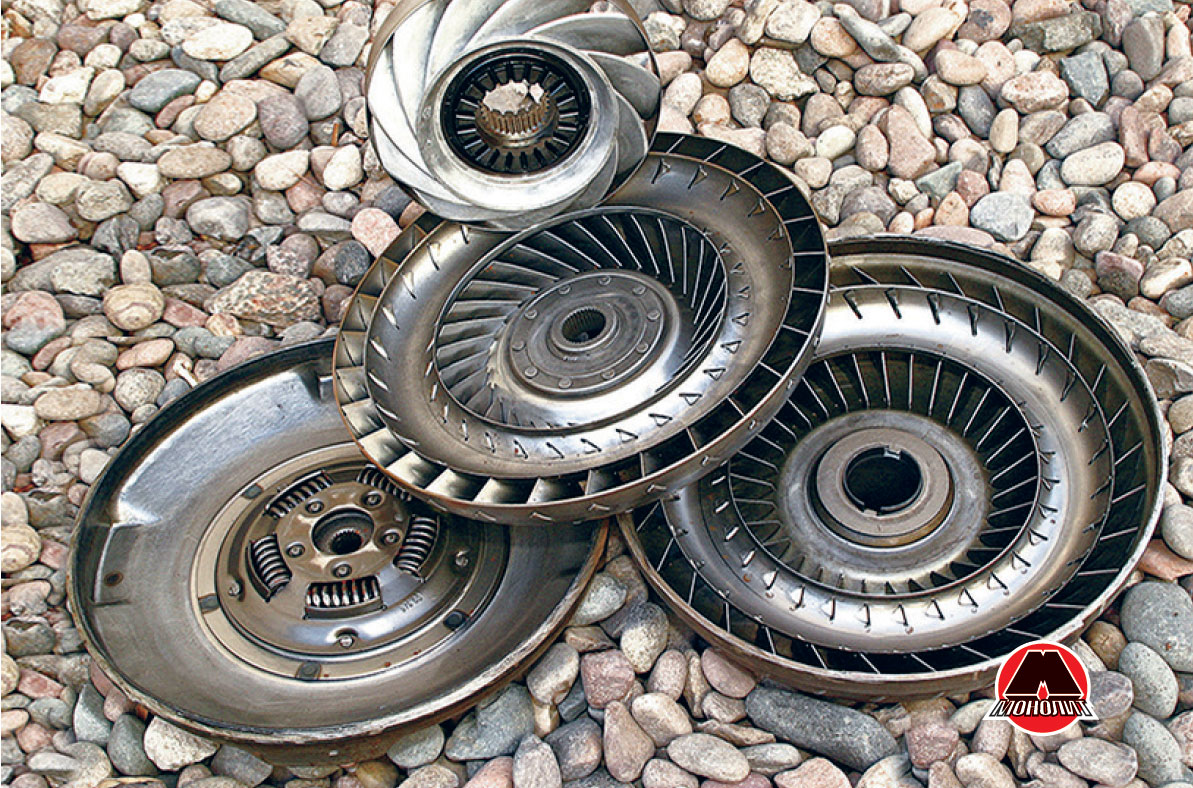
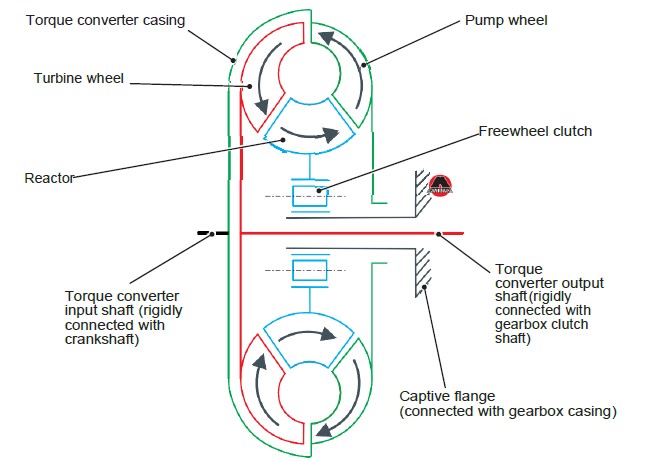 Figure 5.19 Torque converter layout.
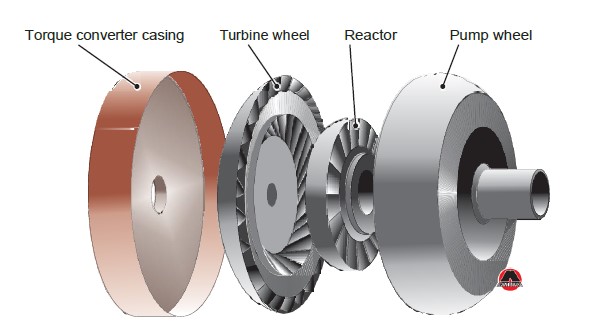 Figure 5.20 Simplified view of torque converter.
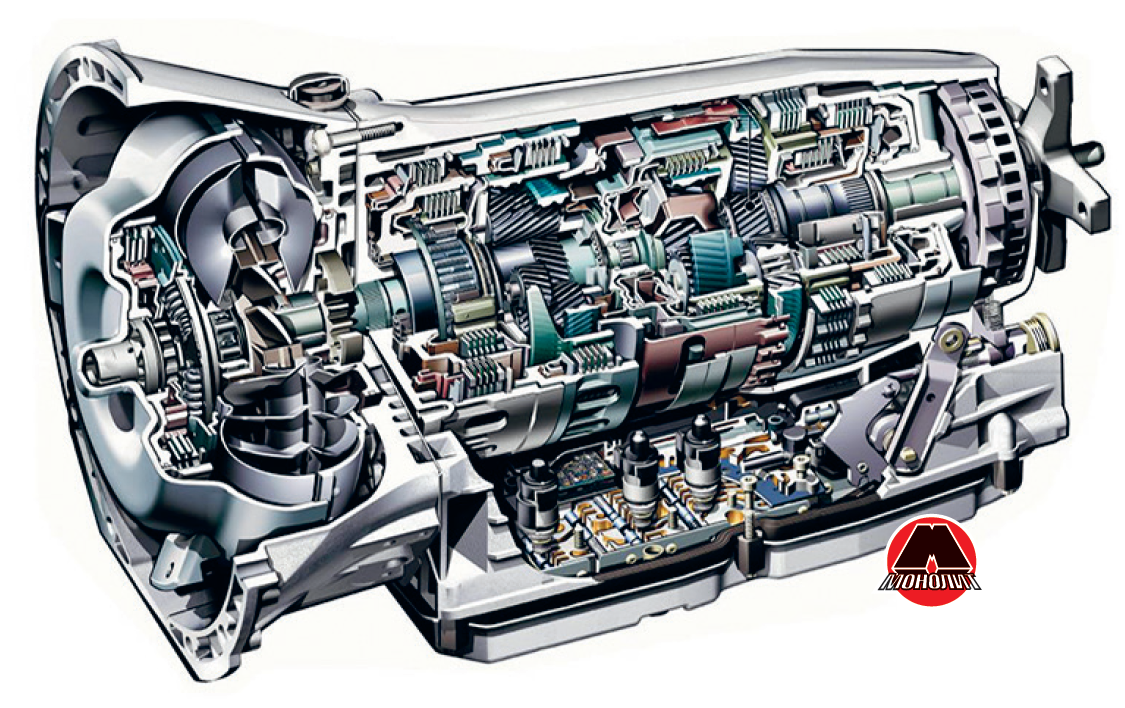 Figure 5.21 A visual example of automatic transmission arrangement.
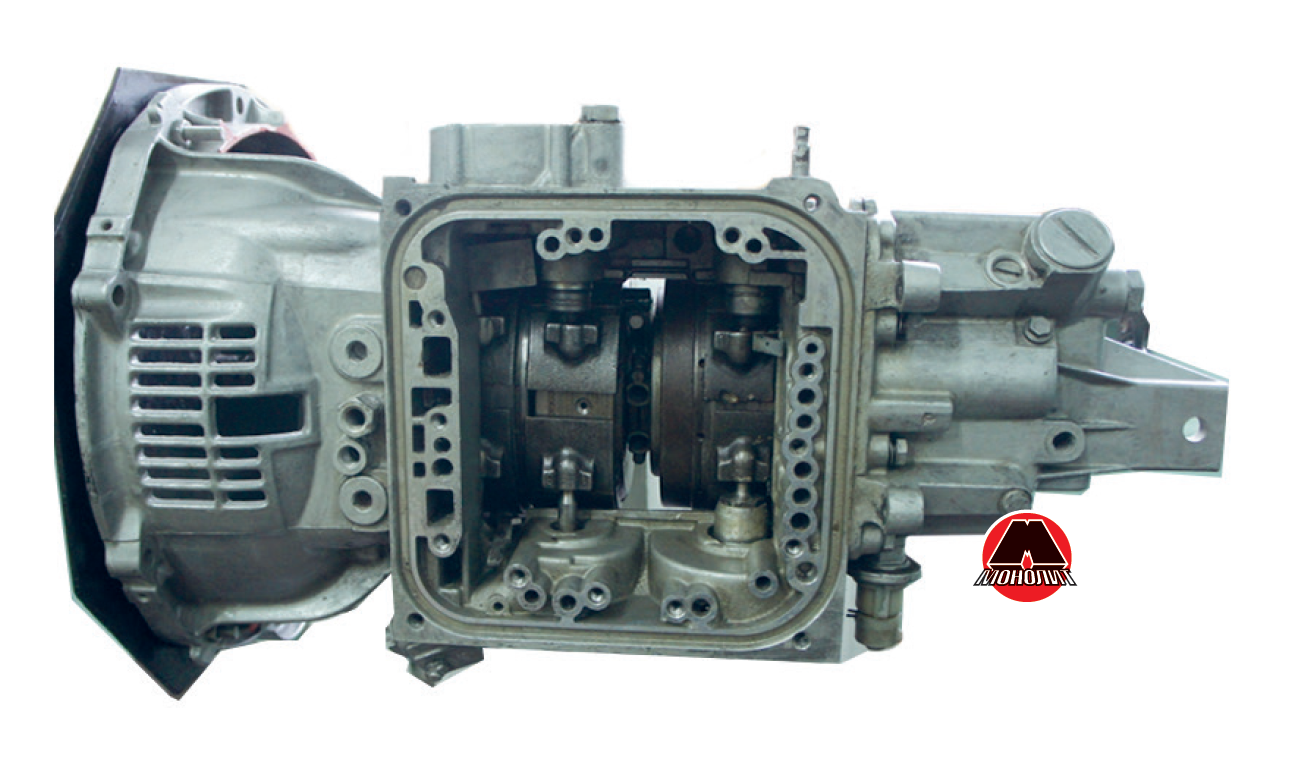 Figure 5.22 Automatic transmission assembly with removed cover.
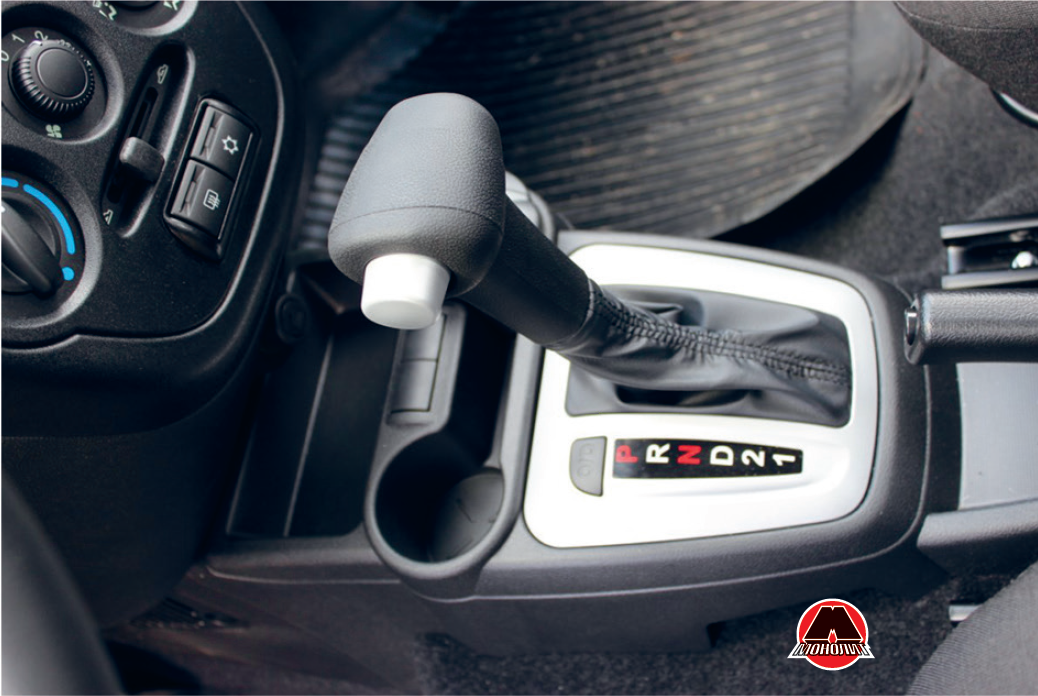 Figure 5.23 Example of the selector for switching the operating modes of automatic transmission.
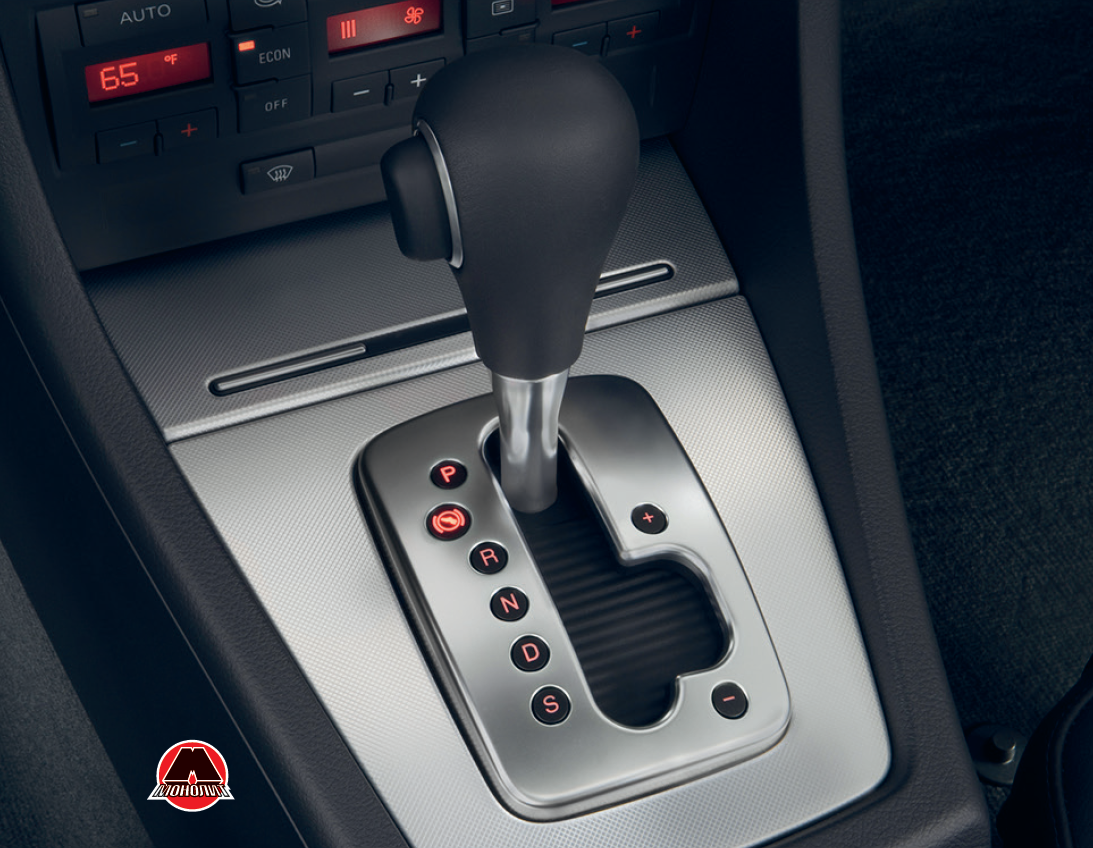 Figure 5.24 Example of the selector for switching the operating modes of automatic transmission with Tiptronic system.
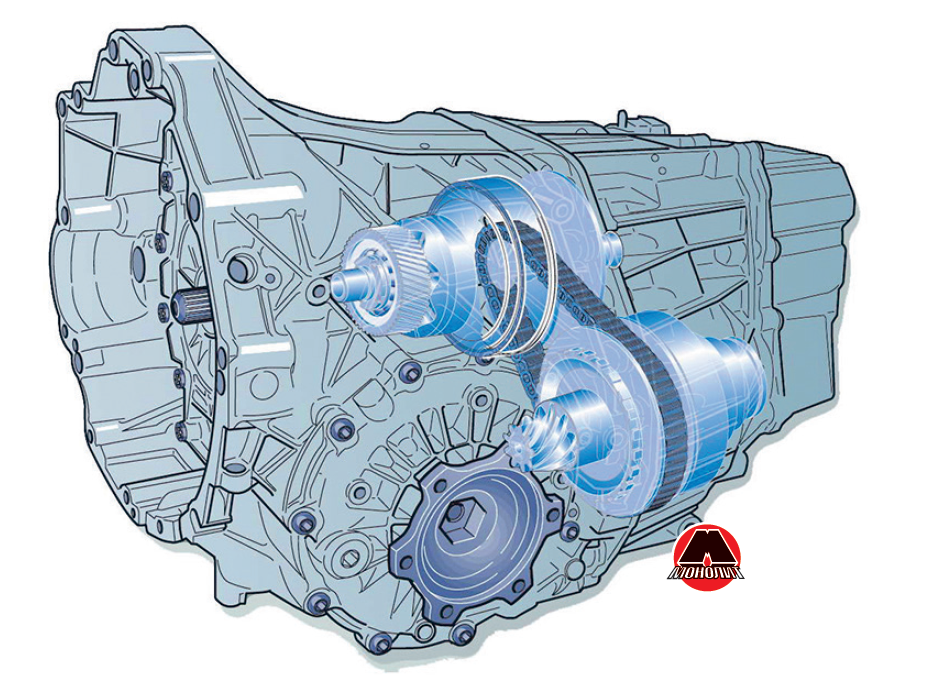 Figure 5.25 Example of arrangement of variator automatic transmission.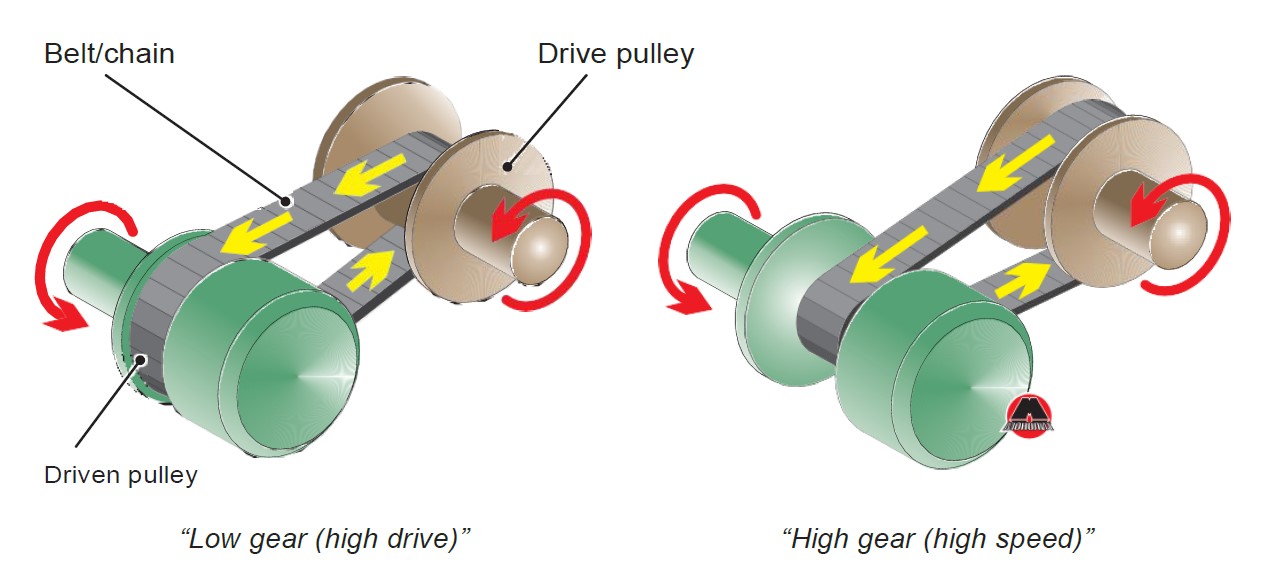
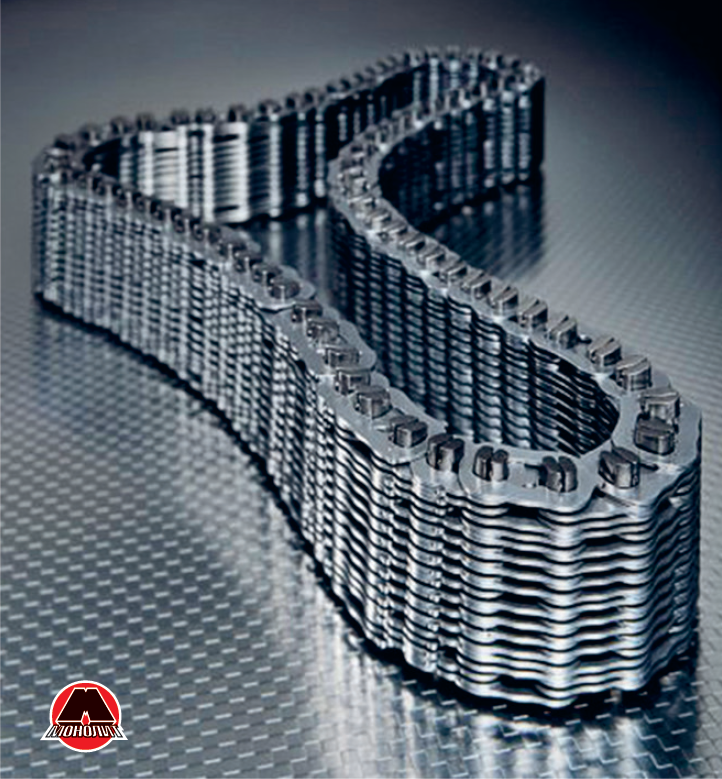
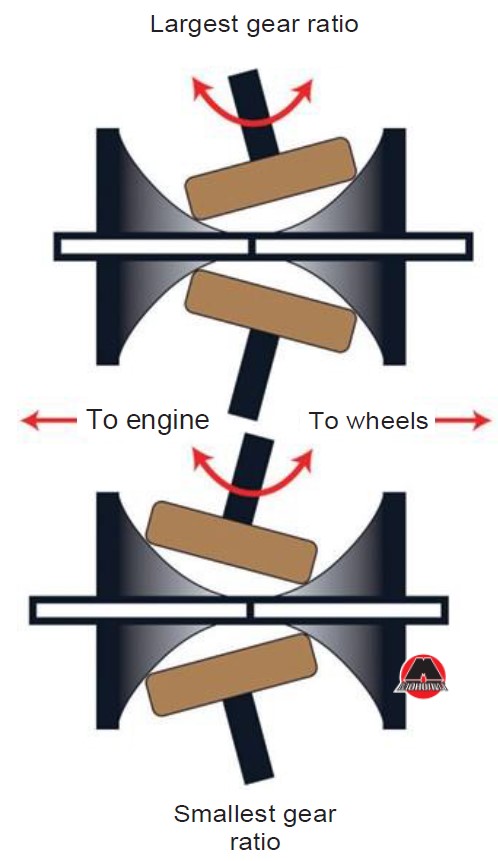
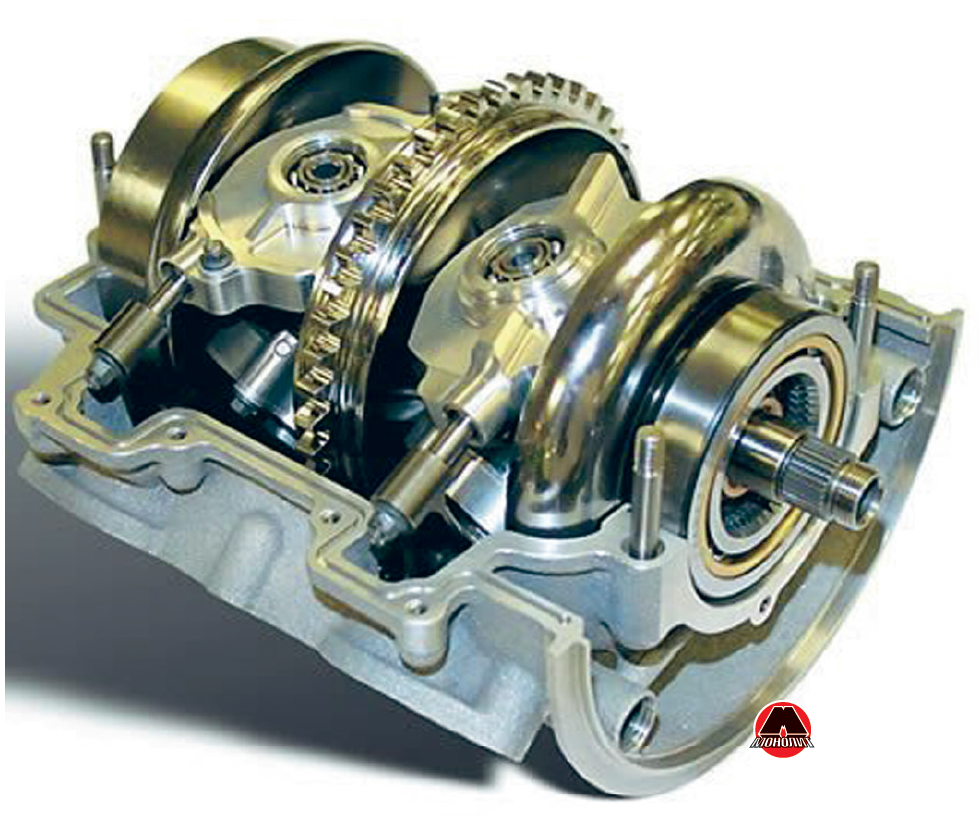 Figure 5.29 Appearance of toroidal variator.
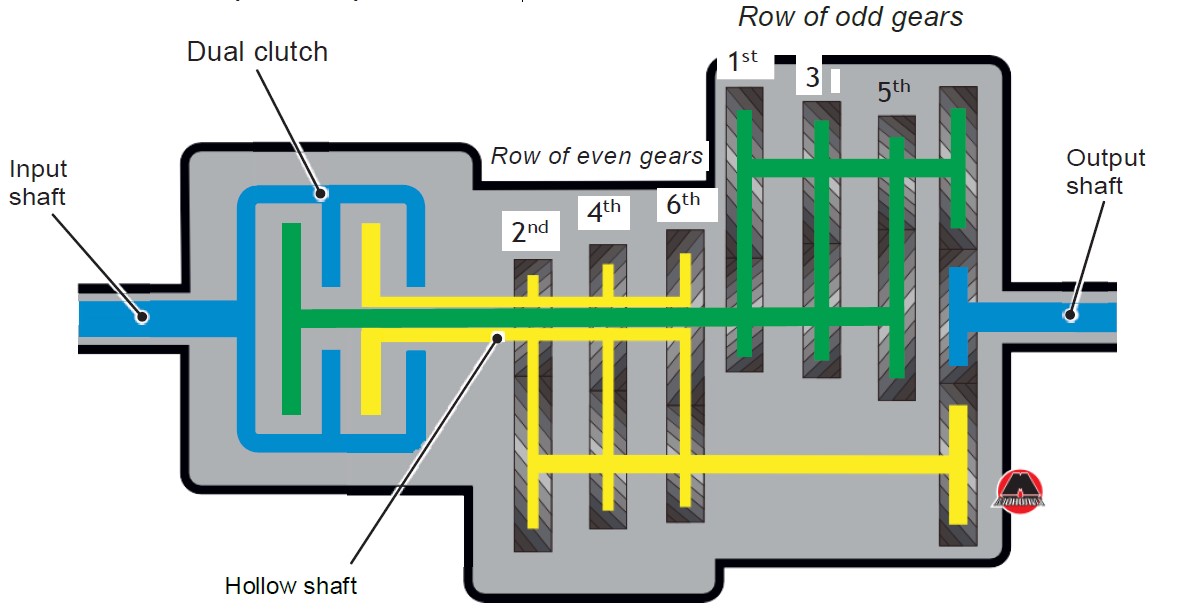 Figure 5.30
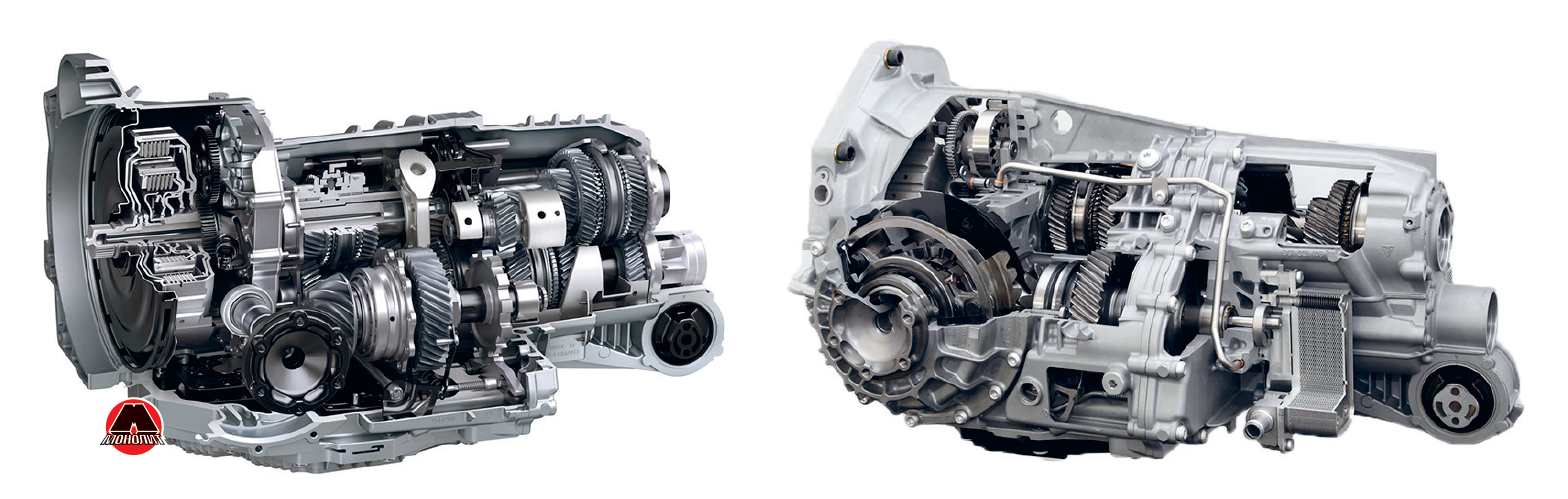 Figure 5.31 Appearance of preselective transmissions.

















Our test questions correspond 100% to the official questions in accordance with the Order of the Main Service Center of the Ministry of Internal Affairs of Ukraine, which are used for theoretical exams at service centers in Ukraine.